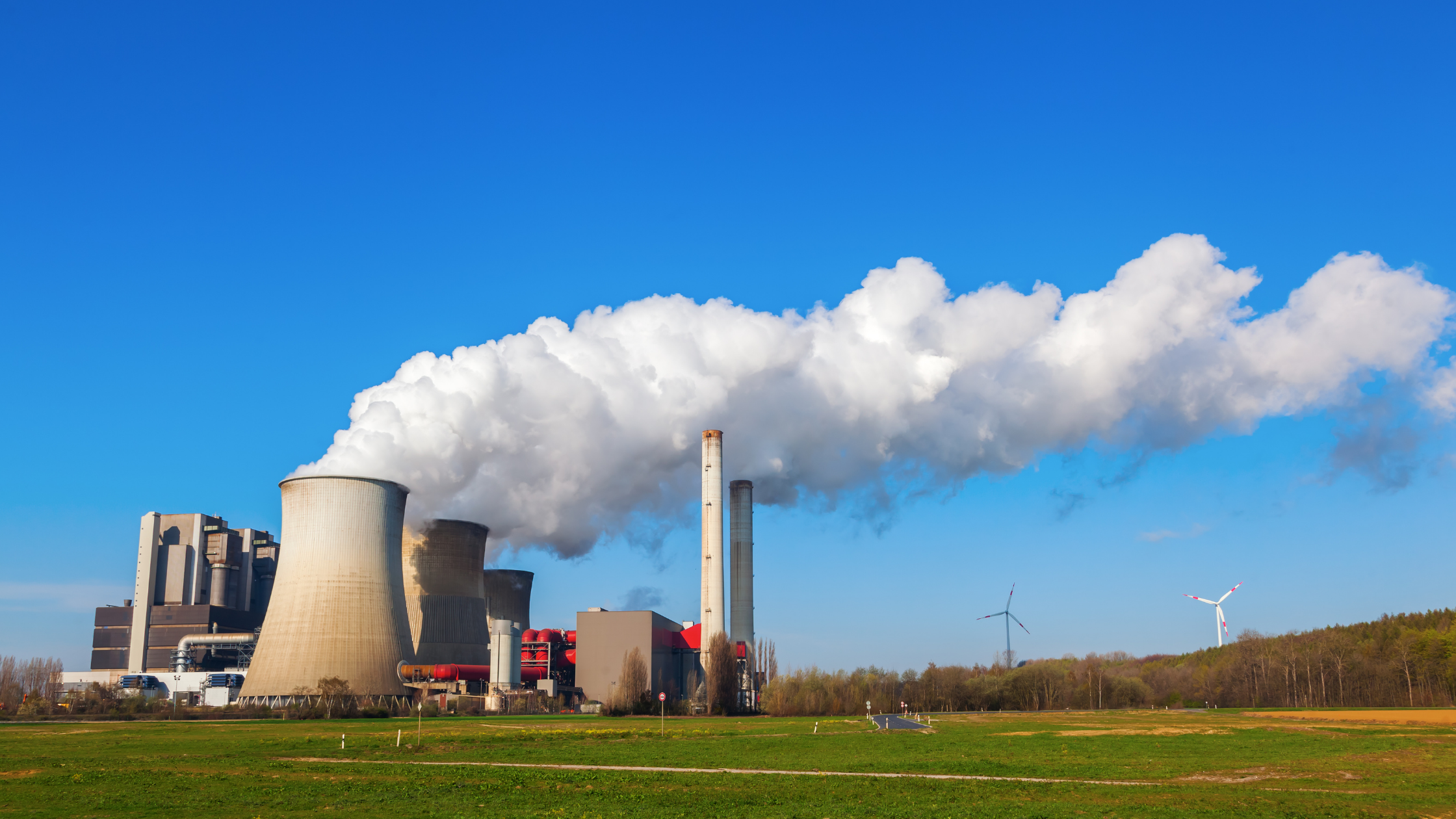
Human activities such as burning coal and fossil fuels have led to increases of roughly 90% in carbon dioxide emissions and 78% in greenhouse gas emissions globally since 1970. As of 2014, the United States is responsible for nearly 15% of that CO2. The five highest polluting sectors are energy production (grid), land-use (deforestation, agriculture), transportation, industrial activities…and buildings.
Across the globe, the above statistics are widely understood. The fact that it is our responsibility to solve and clean up the problem is also widely understood. Local, federal, and international energy policies have aligned with deep decarbonization targets by 2050. In an effort to meet these goals, collaborative programs, coalitions, and think tanks are energized, creating coordinated solutions across the private sectors.
These coordinated efforts along with meaningful change, are fundamental to adopting a paradigm shift. In this article, we hope to offer a clear understanding of what decarbonization is, and a strong business case for why becoming part of the solution works, no matter where you place the value.
Defining Decarbonization
Decarbonization is the process of removing carbon. The act of decarbonization, or to decarbonize is to reduce or eliminate greenhouse gas emissions in order to address atmospheric pollution and meet climate goals. This is the basis of the decarbonized economy.
The Decarbonized Economy
Mobilized by climate policy, a decarbonized or low-carbon economy uses clean power sources and practices to lower greenhouse gases, specifically carbon dioxide output into the atmosphere. The need to deploy clean energy strategies with speed and to scale, stimulates research, innovation, job creation, and economic growth. Additionally, a decarbonized economy prioritizes ecosystem resilience, including not only biodiversity but humanitarian issues.
What are the benefits of a decarbonized US economy, specifically? The World Resource Institute compiled data that shows clear economic benefits to decarbonization.
- It’s cheaper to save the planet than it is to ruin it. Low-carbon technologies have become more efficient and affordable compared to fossil fuels.
- US clean energy investment and deployment are creating approximately twice as many jobs as those in fossil fuels.
- Net-zero means net-savings for the US. Despite the trillions in spending projected for 2050 emissions targets, energy revenues are greater. Morgan Stanley Research released data on how decarbonization will strengthen the economy, as well as listed their 5 recommended investment strategies.
Strategies for Decarbonization
So how are we going to do this? The strategies to achieve deep decarbonization nationally and globally are wide and well, deep. For example reforestation, carbon capture, family planning are all ways to offset and reduce emissions. For our purposes, let’s focus on our business: strategies for decarbonizing buildings.
Building decarbonization is segmented into embodied carbon, which in simple terms are the cumulative emissions from construction and operational carbon which are the emissions from the use of a building. The primary strategies in operational decarbonization are:
- Decarbonize the grid. The grid is the biggest culprit of GHG emissions. Our blog about SCE rate increases spotlights how our aging infrastructure is sparking hazardous weather events, and how utilities are depending on their customers to help upgrade and electrify the grid with clean, renewable energy.
- Electrification of buildings. Switching from fossil fuels (burning natural gas) to electric is another key component to moving the needle. So much so that new building codes are being implemented in certain cities, like Berkeley, CA, banning the installation of natural gas lines. Fuel switching incentives, coming in 2021 for multi-family and single family homes, will be another tool, enabling customers to move from carbon-emitting gas appliances to cleaner electric ones.
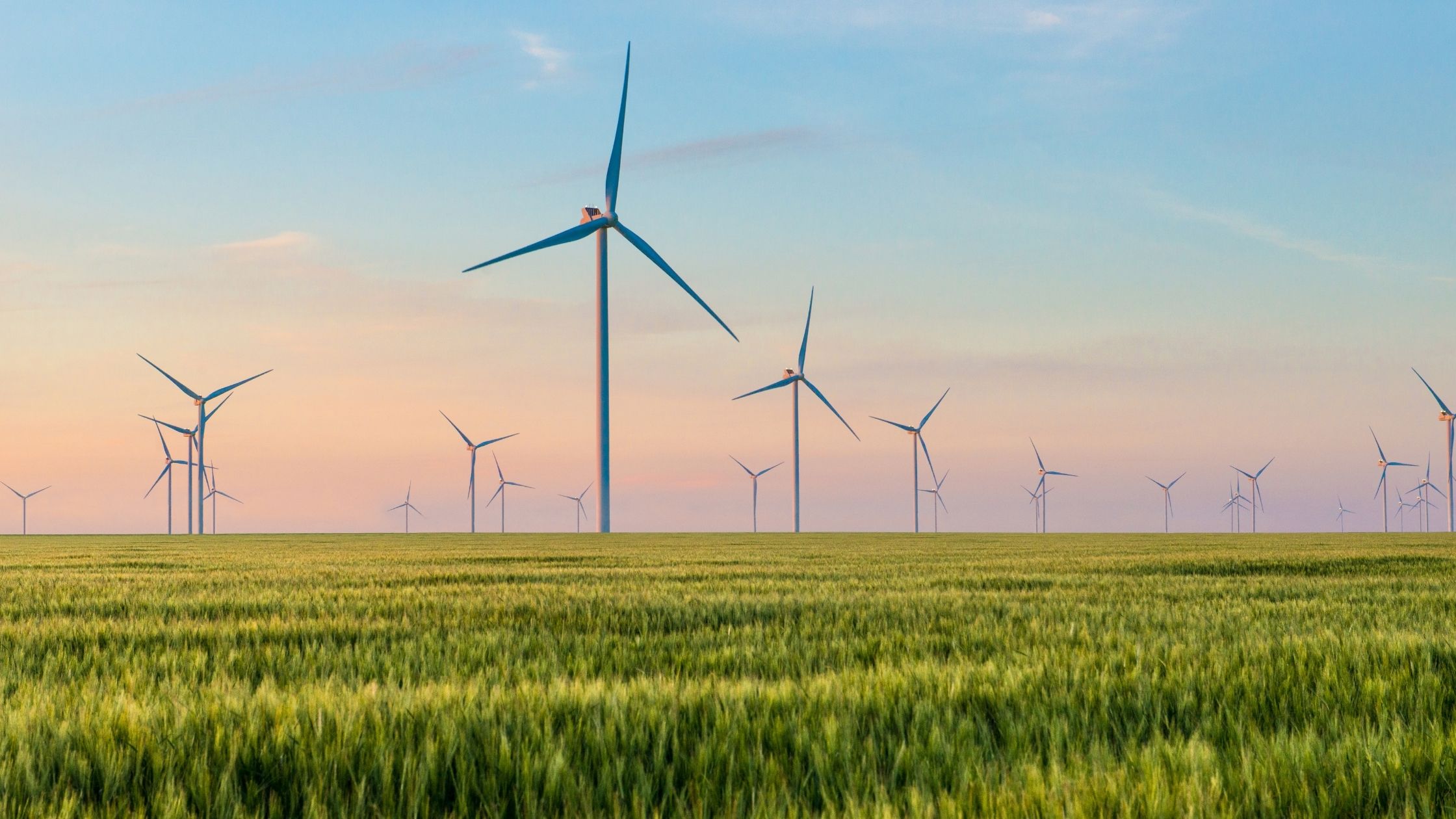
- Self-generation. Solar, battery storage, and other scalable renewables can move you to net-zero the moment it goes live.
- Retrofit to cleaner, next-gen units. The implementation of green technology is pivotal to the progress that needs to be made. One household, one building at a time truly does make the difference.
These strategies are mainly focused on operational decarbonization; however, it’s important to be embodied and operational inclusive. Even with retrofits to existing buildings, coordinating design, new technologies, methods, and deeper savings through synergistic measures will increase the value and efficacy of the project.
Climate Transition: Environmental Effects of Decarbonization
Globally, if we can accomplish this mid-century deep decarbonization we will make strides in restoring our vital ecosystems for a millennium. If as a nation we can overcome the barriers we face to take action, we can, year by year reverse the climate crisis we already experience through increased and costly events such as wildfires, flooding, hurricanes, pandemics, and heat waves. Climate change is interconnected with human development as well. Stabilizing temperatures stabilize our crops and food supply chain. Energy efficiency benefits everyone, but especially low-income families. Making cleaner, low-cost energy available in poorer communities ensures energy security and access to healthier environments inside homes and neighborhoods.
Your Path to Decarbonization
Green EconoME founder and CEO, Marika Erdely is invested in getting customers to their decarbonization goals and inspired by getting to net-zero. “The ability to eliminate gas in a building, replace it with electrical equipment, add solar PV, and a storage battery and then go off the grid while also reducing ongoing operating costs is exciting. Electrical costs will continue to rise, but if we are able to add the generation and storage factor to the building, we will be able to offset these increases in costs. To get to a net-zero carbon building would be fantastic!” Marika speaks in detail on this topic on the Building the Future podcast. Multi-family residential is one good example of a property type where we see opportunity for deep savings and impact on the community. Paired with the SoCalREN incentive program, decarbonization of the building and providing low-cost energy to each tenant is achievable.
Marika is also Co-Chair of the New and Existing Building Committee of the USGBC, LA Chapter, Decarb Committee. A collaboration of Los Angeles’ energy leaders, their mission is to transform the way buildings and communities are designed, built, and operated. Schedule a personal Q&A to explore and get started on becoming part of the solution.