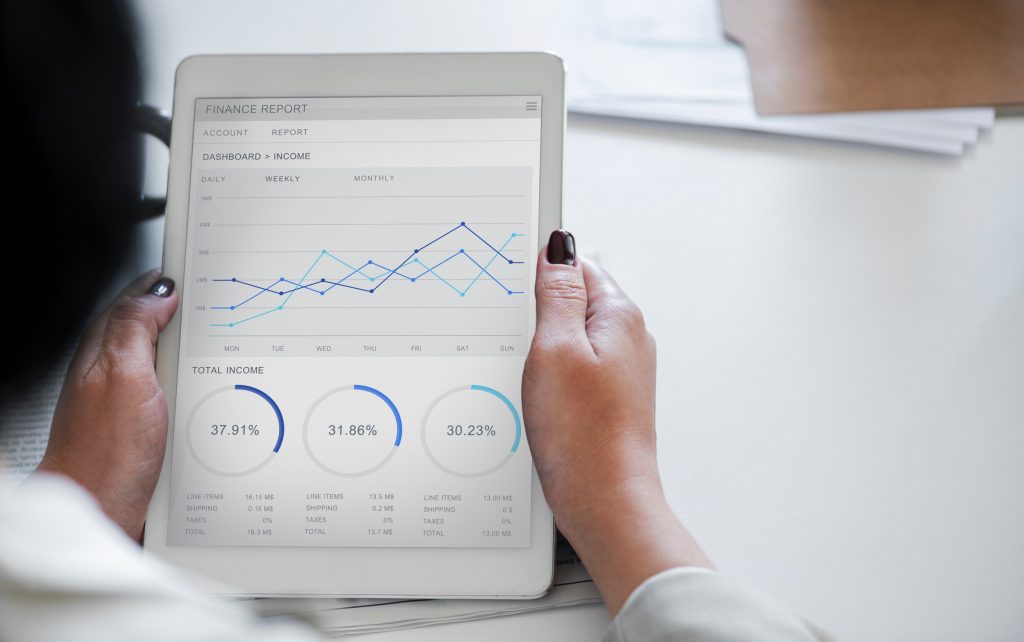
Energy Benchmarking measures and reports the energy performance of a given building, ensuring compliance with local and state laws. It also allows for performance comparisons to other benchmarked buildings of a similar size, occupancy and climate.
1. COMPLIANCE
Benchmarking via the ENERGY STAR Portfolio Manager software is required by both city and state-wide legislature. Cities such as, Los Angeles (EBEWE), San Francisco, and Berkeley have all enacted ordinances requiring commercial and multi-family buildings to conduct an energy audit and report their annual energy usage. Most recently, the State of California has renewed a new energy disclosure law, AB 802, formerly known as AB 1103, requiring annual energy disclosure.
2. COST REDUCTION
Research shows that commercial buildings waste 30% of their energy. Building energy benchmarking empowers its owners by revealing crucial energy use data, pinpointing areas of potential efficiency improvement and cost savings. Such transparency allows owners to remain competitive and to take specific action to increase the longevity of building systems.
Owners who have benchmarked their buildings are more inclined to focus on energy efficiency and have consistently reduced their energy use by an average of 2.4% per year.
3. COMPARISON
Benchmarking is available for 21 different types of facilities and produces an Energy Star Score between 1 and 100, with 100 being the most energy efficiency. The process also calculates the Site and Source Energy Use Intensity (EUI) of the building and compares it against the National Median of CBECS data*. When comparing these scores against similar building types/uses in the software, building owners begin to understand how this performance stands in regards to energy and water efficiency. Owners can take specific steps to mitigate energy shortfalls and improve efficiency, resulting in a higher net operating income.
* Also known as Commercial Buildings Energy Consumption Survey using 2012 survey data.
4. SMARTER DECISION-MAKING
In addition to supplying current snapshots of a building’s energy use, energy benchmarking yields data on past use as well, giving light to patterns of use over time.
Such a window grants owners the viewpoint to make smarter decisions about energy efficiency solutions and energy management and to optimize capital investments into energy-efficient technologies going forward.
Consistent energy benchmarking provides valuable insight as to the building’s performance over time which provides data for decision-making.
SUPPORT
Getting started with benchmarking can often be the biggest hurdle.
Contact Green EconoME to begin the benchmarking process, or to find out more. We have benchmarked over 1400 buildings.